


Golden Heritage of Kerala Turmeric: From Fertile Roots to Vibrant Powder
- Mar 2
- 3 min read
Turmeric is more than just a spice in Kerala. It is a symbol of tradition, health, and the rich soil that nurtures it. The journey of Kerala turmeric powder begins deep in the fertile lands of this southern Indian state, where the roots take hold and the golden color slowly emerges. This story reveals how nature, skill, and time come together to create the vibrant powder that has been cherished for generations.

The Fertile Land of Kerala and Its Unique Climate
Kerala’s tropical climate and rich, red laterite soil provide ideal conditions for growing turmeric. The region receives ample rainfall and has warm temperatures year-round, which help the turmeric rhizomes develop their characteristic color and flavor. Farmers in Kerala have passed down knowledge about soil preparation, crop rotation, and organic fertilization methods that keep the land healthy and productive.
The turmeric plant thrives in shaded areas with well-drained soil. Many farmers grow turmeric alongside other crops like coconut and banana trees, which provide natural shade and maintain soil moisture. This traditional intercropping method supports sustainable farming and enhances the quality of the turmeric.
Harvesting Turmeric: Timing and Technique
Harvesting turmeric is a careful process that requires experience and attention. The turmeric rhizomes are ready to be dug up about 7 to 10 months after planting, when the leaves begin to yellow and dry. Farmers use hand tools to gently dig around the plants, ensuring the rhizomes remain intact.
Once harvested, the rhizomes are washed thoroughly to remove soil and impurities. This step is crucial because clean turmeric produces a brighter, more vibrant powder. The fresh rhizomes have a strong earthy aroma and a deep orange color inside, signaling their quality.
Sun-Drying: Nature’s Way of Preserving Turmeric
After washing, the turmeric rhizomes are spread out in thin layers under the sun for drying. This traditional sun-drying process can take several days, depending on the weather. The rhizomes are turned regularly to ensure even drying and prevent mold.
Sun-drying not only reduces moisture content but also intensifies the color and flavor of the turmeric. The heat from the sun activates natural enzymes that enhance the golden hue. This method avoids artificial drying techniques, preserving the natural qualities of the spice.

Grinding Turmeric into Fine Powder
Once fully dried, the turmeric rhizomes become hard and brittle. They are then ground into powder using traditional stone grinders or modern milling machines. Stone grinding is preferred by many small-scale producers because it generates less heat, which helps retain the turmeric’s aroma and color.
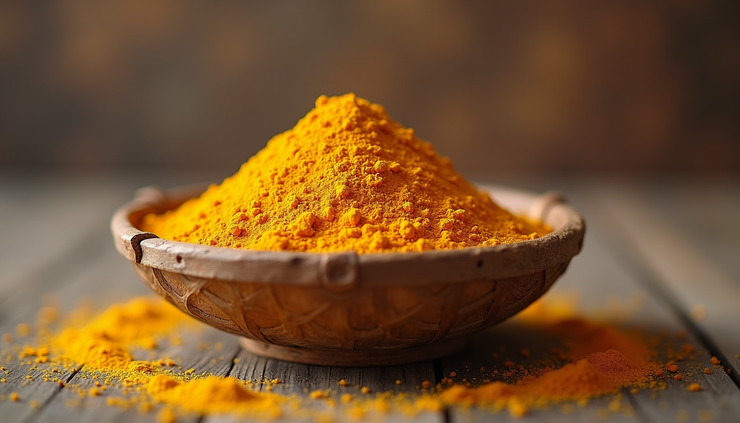
The resulting powder is a rich golden yellow, with a slightly coarse texture that can be sifted for finer quality. Kerala turmeric powder is known for its strong color and earthy flavor, making it a favorite for cooking, medicinal use, and natural dyeing.
The Cultural and Economic Importance of Kerala Turmeric
Turmeric holds a special place in Kerala’s culture. It is used in religious ceremonies, weddings, and festivals as a symbol of purity and prosperity. The golden powder is also a key ingredient in traditional Ayurvedic medicine, valued for its anti-inflammatory and antioxidant properties.
Economically, turmeric farming supports many smallholder farmers and local markets. The demand for authentic Kerala turmeric powder remains strong both within India and internationally. Efforts to promote organic cultivation and fair trade practices help sustain this heritage and improve farmers’ livelihoods.
Bringing Kerala Turmeric to Your Kitchen
When you choose Kerala turmeric powder, you bring home a product shaped by nature and tradition. To get the best from this spice:
Store turmeric powder in an airtight container away from direct sunlight.
Use it in cooking to add color and flavor to curries, rice, and soups.
Mix it with warm milk or water for a soothing drink.
Try it as a natural dye for fabrics or crafts.
By understanding the journey from root to powder, you can appreciate the care and heritage behind every pinch of Kerala turmeric.


Comments