


How Bay Leaves Build Layers of Flavor in Slow-Cooked Recipes
- Jul 2
- 3 min read
Bay leaves are a staple in many kitchens, especially when it comes to slow-cooked dishes like curries, stocks, biryanis, and lentil recipes. Their subtle yet complex aroma and flavor make them ideal for adding depth without overpowering other ingredients. This post explores why bay leaves work so well in these dishes and how they contribute to building rich, layered flavors over time.

What Makes Bay Leaves Unique in Slow Cooking
Bay leaves come from the laurel tree and have a slightly floral, herbal aroma with hints of pine and eucalyptus. When added to slow-cooked recipes, their essential oils release gradually, infusing the dish with subtle notes that enhance other spices and ingredients.
Unlike strong spices that dominate a dish, bay leaves work quietly in the background. This slow release of flavor is perfect for dishes that simmer for hours, allowing the leaves to soften and blend seamlessly with the other components.
Why Bay Leaves Are Ideal for Curries
Curries often combine a variety of spices, herbs, and ingredients that need time to meld. Bay leaves add a gentle bitterness and a fresh, aromatic quality that balances the richness of coconut milk, cream, or tomato bases.
Enhance complexity: Bay leaves add a layer of herbal depth that complements spices like cumin, coriander, and turmeric.
Balance richness: Their slight bitterness cuts through creamy or oily textures, preventing the curry from feeling too heavy.
Support slow cooking: As the curry simmers, bay leaves release their oils slowly, allowing flavors to develop gradually.
For example, in a classic Indian chicken curry, bay leaves are often added at the start of cooking with onions and garlic. This helps build a fragrant base that carries through the entire dish.
The Role of Bay Leaves in Stocks and Broths
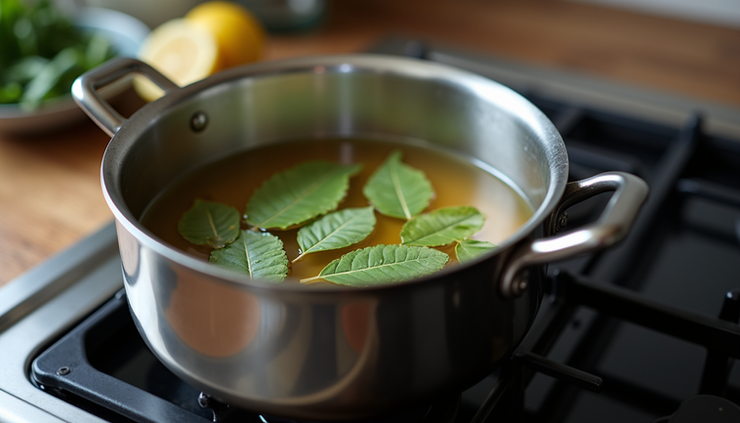
Stocks and broths rely on extracting flavors from bones, vegetables, and herbs over long cooking times. Bay leaves contribute a subtle herbal note that brightens the broth without overwhelming it.
Add aromatic depth: Bay leaves complement other aromatics like thyme, parsley, and peppercorns.
Enhance umami: Their presence can subtly boost the savory quality of meat or vegetable stocks.
Prevent flatness: Without bay leaves, stocks can taste one-dimensional or dull.
For instance, a slow-simmered beef stock with bay leaves will have a more rounded flavor profile, making it a better base for soups and sauces.
Bay Leaves in Biryani and Lentil Dishes
Biryani and lentil dishes often feature complex spice blends and long cooking times, making bay leaves a perfect addition.
In biryanis: Bay leaves add a subtle fragrance that complements spices like cardamom, cloves, and cinnamon. They help tie together the layers of rice, meat, and spices.
In lentil dishes: Bay leaves soften the earthy flavors of lentils and add a fresh herbal note that lifts the dish.
In a slow-cooked biryani, bay leaves are usually added early with whole spices to infuse the cooking oil and rice. In lentil stews, bay leaves simmer with the lentils, releasing flavor gradually and enhancing the overall taste.
Tips for Using Bay Leaves Effectively
To get the most from bay leaves in slow-cooked recipes, consider these tips:
Use whole leaves: Ground bay leaves can be bitter and overpowering. Whole leaves release flavor more gently.
Add early: Put bay leaves in at the start of cooking to allow time for flavor extraction.
Remove before serving: Bay leaves remain tough even after cooking and should be taken out before eating.
Store properly: Keep dried bay leaves in an airtight container away from light to preserve their oils.
Final Thoughts on Bay Leaves and Slow Cooking
Bay leaves may seem like a small ingredient, but their impact on slow-cooked dishes is significant. They build layers of flavor by releasing subtle herbal notes that enhance curries, stocks, biryanis, and lentil dishes. Using bay leaves thoughtfully can elevate your cooking, making each bite more complex and satisfying.
Next time you prepare a slow-cooked meal, don’t overlook the power of bay leaves. Add them early, let them work their magic, and enjoy the richer, deeper flavors they bring to your table.


Comments