


Kerala Cashew W210: A Symbol of Quality and Craftsmanship
- Jun 29
- 3 min read
Kerala’s cashew industry has a rich history that spans centuries, deeply rooted in the culture and economy of the region. Among the many varieties produced, Kerala Cashew W210 stands out as a mark of superior quality and expert craftsmanship. This particular grade of cashew is not just a product but a reflection of Kerala’s long-standing tradition of cultivating and processing cashews with care and precision.

The Heritage of Cashew Cultivation in Kerala
Kerala’s climate and soil conditions provide an ideal environment for cashew trees to flourish. The state has been a major player in the global cashew market since the early 20th century. The introduction of cashew cultivation in Kerala dates back to the Portuguese era, and since then, it has evolved into a significant agricultural sector.
Farmers in Kerala have passed down their knowledge of cashew cultivation through generations. This includes selecting the best seeds, nurturing the trees, and harvesting the nuts at the perfect time. The dedication to quality starts right from the farm, ensuring that only the finest raw cashews enter the processing units.
What Makes W210 Cashews Special?
W210 is a grading term used in the cashew industry to classify cashew kernels based on size and quality. The number 210 refers to the approximate number of kernels per pound, indicating relatively large-sized nuts. Larger kernels are often preferred for their better texture, taste, and appearance.
Kerala Cashew W210 is known for:
Uniform size and shape: This consistency is a result of careful sorting and grading.
High kernel-to-shell ratio: More edible nut per shell means better value.
Excellent taste and crunch: The processing methods preserve the natural flavor and texture.
Low breakage rate: Skilled handling during shelling and peeling reduces damage.
These qualities make W210 cashews highly sought after in both domestic and international markets.
The Craftsmanship Behind Kerala Cashew W210
The journey from raw cashew nut to the final W210 grade involves multiple stages, each requiring skill and attention to detail.
Harvesting and Drying
Cashew nuts are harvested when the fruit ripens, then sun-dried to reduce moisture content. Proper drying is crucial to prevent mold and maintain quality.
Roasting and Shelling
Roasting softens the shell, making it easier to remove without damaging the kernel inside. In Kerala, many cashew processing units still use traditional roasting methods combined with modern equipment to balance efficiency and quality.
Peeling and Grading
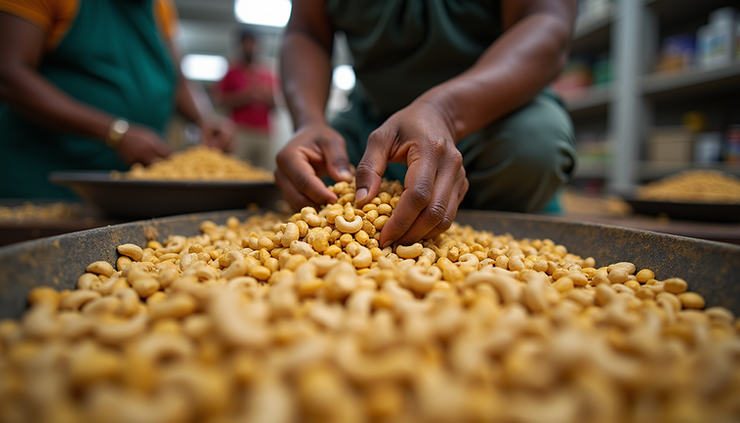
After shelling, the thin skin covering the kernel is carefully peeled. This step demands precision to avoid breaking the delicate nuts. The kernels are then sorted by size and quality, with W210 representing a premium grade.
Quality Control
Kerala’s cashew processors implement strict quality checks to ensure that only the best kernels reach consumers. This includes inspecting for color, texture, and absence of defects.
Kerala Cashew W210 in the Global Market
Kerala Cashew W210 enjoys a strong reputation worldwide. Its consistent quality and authentic flavor make it a preferred choice for gourmet chefs, confectioners, and health-conscious consumers.
Exporters from Kerala have built trust by delivering products that meet international standards. The W210 grade is often featured in premium gift packs and specialty food stores, highlighting Kerala’s craftsmanship.
Health Benefits of Kerala Cashew W210
Cashews are rich in nutrients such as healthy fats, protein, vitamins, and minerals. Kerala Cashew W210, being a high-quality product, retains these nutritional benefits:
Supports heart health with good fats
Provides essential minerals like magnesium and zinc
Offers antioxidants that help reduce inflammation
Enjoying Kerala Cashew W210 is not only a treat for the taste buds but also a boost for overall well-being.

Supporting Kerala’s Cashew Farmers and Artisans
Choosing Kerala Cashew W210 means supporting the farmers and artisans who uphold this tradition. Many small-scale farmers and local processing units depend on cashew cultivation for their livelihood. By valuing quality and craftsmanship, consumers help sustain these communities and preserve Kerala’s agricultural heritage.
Final Thoughts on Kerala Cashew W210
Kerala Cashew W210 represents more than just a nut. It embodies a legacy of careful cultivation, skilled processing, and a commitment to quality that has been nurtured over generations. For those who appreciate fine food and authentic products, Kerala Cashew W210 offers a taste of tradition and excellence.


Comments