


Kerala Cloves The Tiny Spice with a Powerful Aroma
- Aug 27
- 4 min read
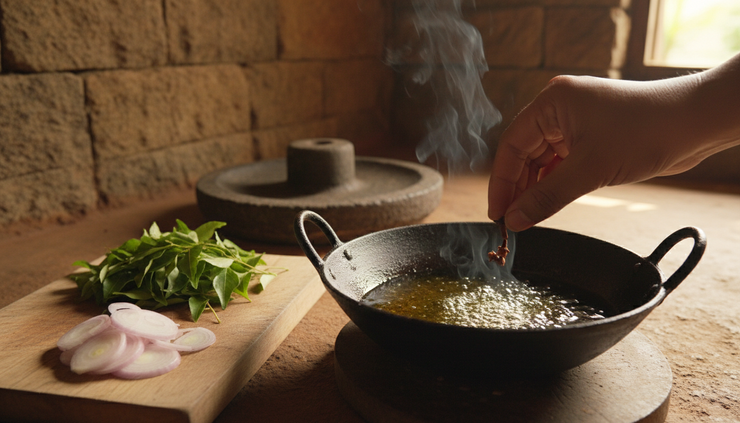
A single clove can change the mood of a kitchen. Drop it into hot oil, and the air moves from plain to warm, sweet, woody, and sharp within seconds. That is the power of this tiny dried flower bud, especially in Kerala, where spices are not just ingredients but part of daily cooking, trade, memory, and hospitality.
Cloves sit quietly beside pepper, cardamom, cinnamon, nutmeg, and mace in Kerala’s spice boxes. They rarely take centre stage, yet they shape the flavour of biryanis, meat curries, masala tea, festive sweets, and slow-cooked gravies. Their aroma is intense, so cooks use them with care. Too little, and they disappear. Too much, and they take over the dish.

What makes cloves so aromatic
Cloves are the dried, unopened flower buds of the clove tree, known botanically as Syzygium aromaticum. Their strong scent comes mainly from eugenol, an aromatic oil that gives cloves their warm, sweet, slightly peppery character.
A good clove feels firm and plump. It has a rounded head and a small stem. When pressed lightly, it should release a deep fragrance. If it smells flat or dusty, it has likely lost much of its essential oil.
Whole cloves keep their aroma better than powdered cloves. This is why many Kerala kitchens prefer to store them whole and grind them only when needed. In dishes that cook slowly, whole cloves release flavour in stages. In quick recipes, a pinch of clove powder can give instant warmth.
Kerala cloves are valued not because they are loud, but because they bring balance. They add sweetness without sugar, heat without chilli, and depth without heaviness.
Cloves in Kerala’s spice culture
Kerala’s relationship with spices goes back to the old trade routes of the Malabar Coast. Pepper may be the most famous export from the region, but cloves earned their place in local kitchens through both trade and cultivation. Over time, they became part of the wider spice culture of the state.
In Kerala, spices are rarely used alone. They work in layers. A typical masala may bring together cloves, cinnamon, cardamom, fennel, pepper, coriander, and star anise. Each spice has a role. Cloves offer a strong base note, the kind of flavour that lingers after the first bite.
They appear in everyday and special dishes, including:
Ghee rice and biryani, where cloves perfume the rice
Chicken, mutton, and beef curries, where they add body to the masala
Vegetable stews and kurmas, where they support coconut milk and mild spices
Masala chai, where they bring warmth to milk, tea, and ginger
Festive sweets, where a tiny amount adds a rich background note
A clove-studded onion or a few buds fried in coconut oil can set the tone for an entire dish. That is why experienced cooks measure cloves by count, not by handful.
How cloves shape Kerala cooking
Cloves have a strong personality, so Kerala cooking uses them with restraint. The aim is not to make a dish taste only of clove. The aim is to create a rounded masala where the aroma feels complete.
In rice dishes, cloves often enter at the beginning. They are fried in ghee or oil with cinnamon, cardamom, bay leaf, and sometimes fennel. This releases their oils and carries the aroma through the rice. In biryani, the result is subtle but essential. Without cloves, the dish can taste flatter.
In meat curries, cloves support slow cooking. They pair well with black pepper, roasted coriander, ginger, garlic, and browned onions. Their warmth cuts through richness and gives the gravy a deeper finish. In coconut-based dishes, they add contrast to the softness of coconut milk.
Cloves also have a place in Kerala’s drinks and home traditions. A clove or two may be added to tea, especially during the monsoon. Some families use cloves in traditional home preparations for their aroma and warming feel. Such practices are cultural and culinary, not a substitute for medical advice.
The key is moderation. For a family-sized curry, two to four cloves are often enough. For tea, even one clove can be plenty. Powdered clove is stronger on the tongue, so it should be used even more carefully.
Buying and storing cloves well
Freshness matters with cloves. Since their value lies in aroma, old cloves are a disappointment. When buying, look for buds that are dark brown, whole, and not broken into too many fragments. They should smell strong the moment the packet is opened.
A simple home test is to press a clove between the fingers. If it leaves a slight oily feel and gives off a strong scent, it is likely still fresh. Very dry, pale, brittle cloves may have lost much of their character.
Store cloves in an airtight glass or steel container. Keep them away from sunlight, heat, and moisture. A spice drawer or closed cupboard works well. Avoid storing them above the stove, where heat and steam can weaken their aroma.
Whole cloves can stay fragrant for a long time when stored well, but powdered cloves fade faster. If you use clove powder, buy small quantities or grind a little at home from whole cloves.

Why this tiny spice still matters
Cloves remind us that strong flavour does not need size. A few buds can carry the memory of a feast, a rainy evening tea, or a kitchen where spices are roasted fresh before lunch. In Kerala, they belong to both everyday meals and special occasions.
Their role is quiet but firm. They connect rice to ghee, coconut to pepper, meat to masala, and tea to warmth. They also show the skill of Kerala cooking, where balance matters as much as boldness.

The next time a recipe asks for two cloves, pause before adding them. Smell them first. Notice the sweetness, the spice, and the depth held inside that small bud. That is the charm of Kerala’s spice culture, where even the tiniest ingredient can leave a lasting impression.


Comments