


“Layers of Flavor: What Makes Cinnamon Sticks So Special?”
- Apr 18
- 3 min read
Cinnamon sticks are a staple in kitchens worldwide, known for their warm aroma and rich taste. But what exactly makes these simple-looking sticks so special? The secret lies in their layered structure, which plays a crucial role in delivering the complex flavors and fragrances we love. Understanding these layers helps explain why cinnamon sticks offer such a unique sensory experience compared to ground cinnamon or other spices.
The Anatomy of a Cinnamon Stick
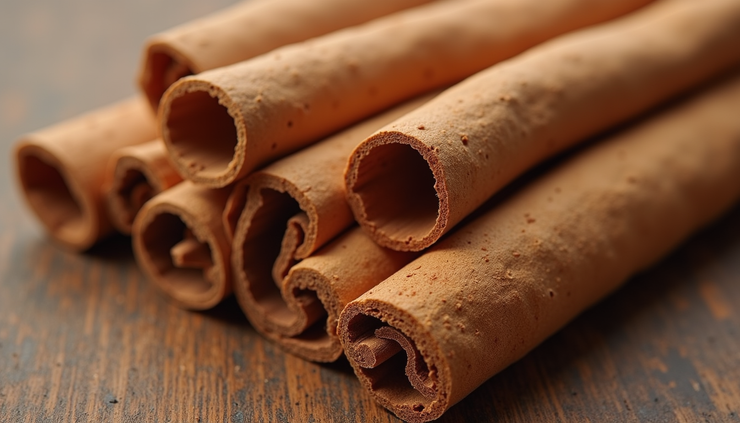
Cinnamon sticks come from the inner bark of trees belonging to the genus Cinnamomum. When harvested, the bark is peeled off and curls naturally into rolls as it dries, forming the familiar stick shape. This bark is not uniform; it consists of several layers, each contributing to the stick’s overall flavor and aroma.
Outer bark: This is the rough, protective layer that shields the inner parts of the bark. It has a more muted flavor and is usually discarded or less used in cooking.
Inner bark: The prized part of the cinnamon stick, this layer contains essential oils and compounds responsible for cinnamon’s signature taste and smell.
Cellular structure: Within the inner bark, microscopic cells hold volatile oils that release flavor when heated or ground.
The way these layers interact during drying and storage affects how cinnamon’s flavor develops and intensifies.
How Layers Affect Aroma and Taste
The layered structure of cinnamon sticks influences both the aroma and taste in several ways:
Slow release of essential oils: The tightly rolled layers trap essential oils inside. When you add a cinnamon stick to a dish or hot liquid, these oils slowly seep out, providing a gradual build-up of flavor rather than an immediate burst.
Complex flavor profile: Different layers contain varying concentrations of cinnamaldehyde, eugenol, and other compounds. This mix creates a balance of sweet, spicy, and woody notes.
Long-lasting aroma: The layers protect the oils from evaporating quickly, so cinnamon sticks retain their fragrance longer than ground cinnamon.
For example, when simmering a cinnamon stick in mulled wine or chai tea, the flavor unfolds over time, enriching the drink with depth and warmth.
Differences Between Cinnamon Stick Varieties
Not all cinnamon sticks are created equal. The two most common types are Ceylon cinnamon (true cinnamon) and Cassia cinnamon. Their layered structures differ, impacting flavor and quality.
Ceylon cinnamon: Has thinner, more delicate layers that curl into multiple thin rolls. This structure allows for a lighter, sweeter flavor with subtle citrus hints.
Cassia cinnamon: Features thicker, harder layers rolled into a single or double thick stick. It has a stronger, more pungent taste with a hint of bitterness.
These differences mean Ceylon cinnamon is often preferred for desserts and delicate dishes, while Cassia is favored for bold recipes and spice blends.

Practical Tips for Using Cinnamon Sticks
Knowing about the layered structure can help you get the most out of cinnamon sticks in your cooking:
Use whole sticks for slow cooking: Add them to stews, sauces, or drinks that simmer for a long time. The layers will release flavor gradually.
Crush or break for stronger flavor: Breaking the stick exposes more layers and oils, speeding up flavor release.
Store properly: Keep cinnamon sticks in an airtight container away from heat and light to preserve the oils trapped in the layers.
Grind fresh if possible: Grinding cinnamon sticks just before use unlocks the full aroma and taste locked in the layers.
These tips ensure you enjoy the full sensory experience that cinnamon sticks offer.


Comments