


The Golden Spice of India: Why Turmeric Has Been Valued for Centuries
- Jul 1
- 3 min read
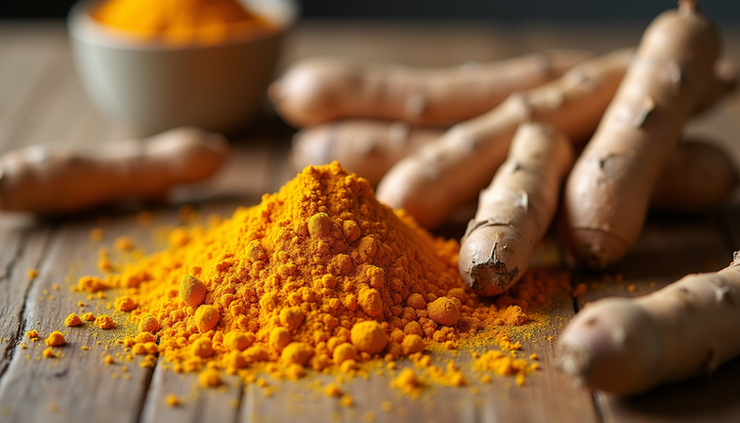
Turmeric is more than just a bright yellow powder found in kitchens worldwide. It carries a rich story woven through centuries of Indian history, culture, and cuisine. This golden spice has shaped traditions, healing practices, and flavors that continue to influence lives today. Understanding why turmeric holds such a special place reveals much about India’s heritage and the global appreciation for this vibrant root.
The Ancient Roots of Turmeric in Indian History
Turmeric’s use in India dates back over 4,000 years. Archaeological evidence shows turmeric was cultivated and traded in the Indus Valley Civilization, one of the world’s earliest urban cultures. Ancient texts like the Atharva Veda mention turmeric as a sacred plant with purifying properties.
In traditional Indian medicine systems such as Ayurveda and Siddha, turmeric was prized for its healing qualities. It was used to treat wounds, digestive issues, and skin conditions. The bright yellow color symbolized purity and prosperity, making turmeric an essential part of religious rituals and ceremonies.
Kings and nobles often used turmeric in their daily lives, not only for health but also as a cosmetic. Women applied turmeric paste to their skin to enhance complexion and protect against infections. This practice continues in many Indian households today, especially during weddings and festivals.
Turmeric’s Role in Indian Culture and Rituals
Turmeric’s cultural significance extends beyond medicine. It is deeply embedded in Indian rituals and celebrations. For example:
Weddings: Turmeric paste is applied to the bride and groom in a ceremony called Haldi. This ritual is believed to cleanse and bless the couple before marriage.
Festivals: During festivals like Diwali and Pongal, turmeric is used to decorate homes and altars, symbolizing good fortune.
Religious offerings: Turmeric powder is often mixed with sandalwood paste and offered to deities in temples.
The spice’s vibrant color also inspired traditional clothing dyes and artwork. Turmeric dye produces a warm yellow hue that remains popular in textiles and crafts.
How Turmeric Shapes Indian Cuisine
Turmeric is a cornerstone of Indian cooking. Its earthy, slightly bitter flavor and golden color enhance a wide range of dishes. From simple lentil soups to complex curries, turmeric adds depth and character.
Some popular uses include:
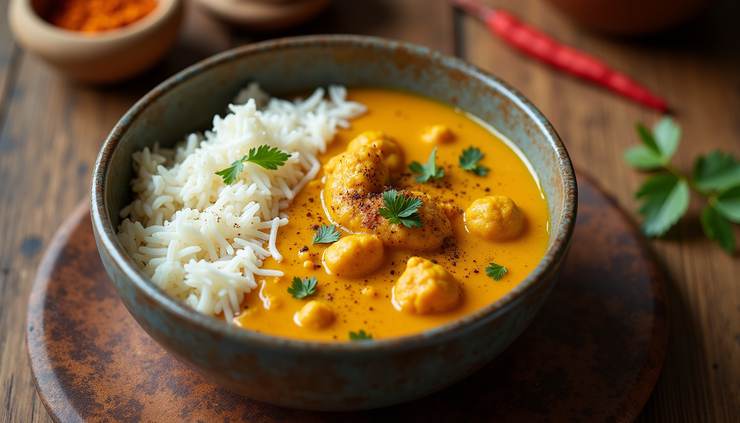
Curries: Turmeric is a key ingredient in curry powders and pastes, providing color and subtle flavor.
Rice dishes: Turmeric-infused rice, such as yellow pulao, is common at festive meals.
Beverages: Turmeric milk, or haldi doodh, is a traditional drink believed to promote wellness.
Pickles and chutneys: Turmeric helps preserve and flavor these condiments.
The spice’s natural preservative qualities also help extend the shelf life of food in India’s warm climate.

Turmeric’s Global Journey and Modern Uses
Turmeric’s reputation has spread far beyond India’s borders. It became a valuable trade commodity along the ancient Silk Road and later through European spice routes. Today, turmeric is grown in many tropical countries but remains closely associated with Indian cuisine and culture.
In recent decades, turmeric has gained popularity worldwide for its potential health benefits. Research highlights compounds like curcumin, which may have anti-inflammatory and antioxidant effects. This has led to turmeric’s inclusion in supplements, teas, and skincare products globally.
Despite modern trends, turmeric’s traditional uses remain strong in India. It continues to be a symbol of health, spirituality, and celebration.
Embracing Turmeric’s Legacy Today
Turmeric’s story is a reminder of how a simple plant can influence culture, health, and cuisine for thousands of years. Its golden hue represents more than color; it reflects a connection to nature, tradition, and well-being.
For those interested in exploring turmeric, start by adding it to everyday cooking or trying traditional recipes like turmeric milk. Learning about its history enriches the experience and appreciation of this remarkable spice.
Whether used in a festive ritual, a healing remedy, or a flavorful dish, turmeric remains a treasured part of India’s heritage and a gift to the world’s kitchens.


Comments