


“The Hidden Twin: The Story of Nutmeg & Mace from Kerala”
- Apr 8
- 3 min read
Nutmeg and mace are two spices that often appear separately in kitchens and recipes, yet they share a secret: they come from the same fruit. This fascinating fact reveals a story of nature’s design, duality, and rarity, especially when traced back to the lush landscapes of Kerala, India. This blog explores how these two spices emerge from one source, their unique qualities, and the cultural and economic significance they hold in Kerala.

The Origin of Nutmeg and Mace in Kerala
Kerala, often called the "Spice Garden of India," has a long history of cultivating spices that have traveled the world. Nutmeg trees thrive in its humid tropical climate, producing fruits that hold both nutmeg and mace. The fruit looks like a small apricot and, when ripe, splits open to reveal a shiny brown seed (nutmeg) wrapped in a bright red, lacy covering (mace).
This duality is nature’s clever design. The nutmeg seed is hard and aromatic, while the mace is delicate and fragrant. Both spices have distinct flavors and uses, but they come from the same fruit, making them botanical twins with different culinary identities.
How Nutmeg and Mace Are Harvested and Processed
Harvesting nutmeg and mace requires careful timing and skill. Farmers wait for the fruit to ripen and split naturally on the tree. Once harvested, the mace is carefully peeled away from the seed and dried separately. The drying process is crucial: mace turns from bright red to a warm orange or yellow, developing its unique aroma and flavor.
The nutmeg seed is dried for several weeks until it hardens. After drying, the seed is cracked open to reveal the nutmeg kernel inside, which is ground or grated for use in cooking and baking.
This process highlights the rarity of these spices. Both nutmeg and mace require patience and precision, contributing to their value and the respect they command in spice markets worldwide.
The Culinary and Cultural Importance of Nutmeg and Mace
In Kerala’s kitchens, nutmeg and mace are more than just spices; they are part of tradition and flavor heritage. Nutmeg adds warmth and depth to desserts, curries, and beverages. Mace, with its lighter and more delicate flavor, is often used in spice blends, sweets, and savory dishes.
Beyond cooking, these spices have cultural significance. They appear in traditional Ayurvedic medicine, believed to aid digestion and improve circulation. Their aroma is also used in rituals and festivals, symbolizing prosperity and health.
The Economic Impact of Nutmeg and Mace Cultivation in Kerala
Kerala’s nutmeg cultivation supports many small-scale farmers and spice traders. The global demand for these spices keeps the local economy vibrant. Nutmeg and mace are exported to countries across Europe, the Middle East, and Asia, where they are prized for their quality and authenticity.
Farmers face challenges such as climate change and pest management, but sustainable farming practices and government support help maintain production. The rarity of these spices, combined with Kerala’s reputation for quality, ensures they remain valuable commodities.
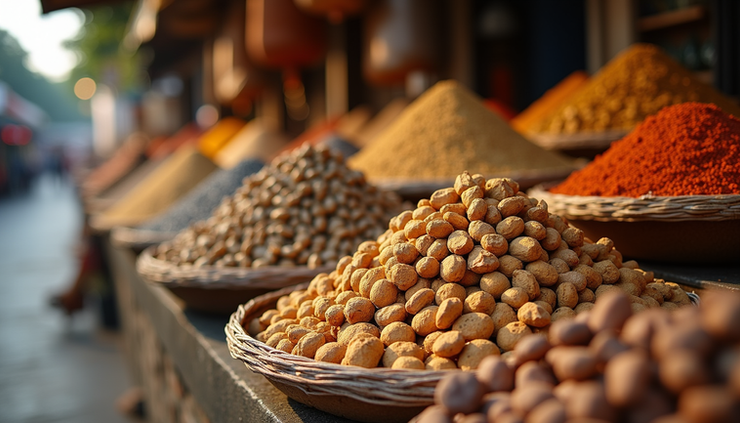
Nature’s Design: Why One Fruit Produces Two Spices
The nutmeg tree’s fruit is a natural example of duality. The outer fleshy part protects the seed and mace, while the mace acts as a protective layer around the nutmeg. This design may help in seed dispersal and protection from pests.
From a botanical perspective, the mace is the aril, a specialized outgrowth that covers the seed. This aril is rare in many plants but common in nutmeg, making it a unique natural feature. The difference in texture and flavor between nutmeg and mace shows how one fruit can provide multiple benefits.
Using Nutmeg and Mace in Your Kitchen
If you want to experience the hidden twin in your cooking, try these tips:
Use nutmeg grated fresh over creamy dishes, baked goods, or warm drinks like chai or eggnog.
Add mace to spice blends for curries, soups, or rice dishes to introduce a subtle, floral warmth.
Store both spices in airtight containers away from light to preserve their aroma.
Experiment by combining nutmeg and mace in recipes to explore their complementary flavors.
These spices bring a touch of Kerala’s heritage and nature’s ingenuity to your table.


Comments