


The Journey of Cloves: From Tropical Tree to Your Spice Jar
- Mar 14
- 3 min read
Cloves are a beloved spice known for their warm, aromatic flavor that enhances both sweet and savory dishes. But few people know the story behind these tiny flower buds and how they travel from tropical trees to the spice jars in kitchens worldwide. This journey involves careful cultivation, precise harvesting, and detailed drying and grading processes. Understanding this path reveals the care and expertise that go into every pinch of cloves you use.

Clove Tree Cultivation
Cloves come from the Syzygium aromaticum tree, a tropical evergreen native to the Maluku Islands in Indonesia, often called the Spice Islands. These trees thrive in warm, humid climates with rich, well-drained soil. Farmers usually plant clove trees at altitudes between 200 and 900 meters where the temperature stays between 20°C and 30°C.
The trees take about 6 to 7 years to mature enough to produce flower buds suitable for harvest. During this time, farmers carefully nurture the trees by:
Providing shade to young plants to protect them from direct sunlight
Ensuring consistent watering without waterlogging the roots
Applying organic fertilizers to maintain soil health
Pruning to encourage healthy growth and airflow
Healthy clove trees can grow up to 12 meters tall, but farmers often prune them to a manageable height for easier harvesting. The cultivation process demands patience and attention, as the quality of the cloves depends heavily on the tree’s growing conditions.
Harvesting Flower Buds
The spice we know as cloves is actually the dried flower buds of the clove tree. Harvesting happens once the buds turn from green to a pinkish-red color, just before they bloom. This stage is crucial because the buds contain the highest concentration of essential oils, which give cloves their distinctive aroma and flavor.
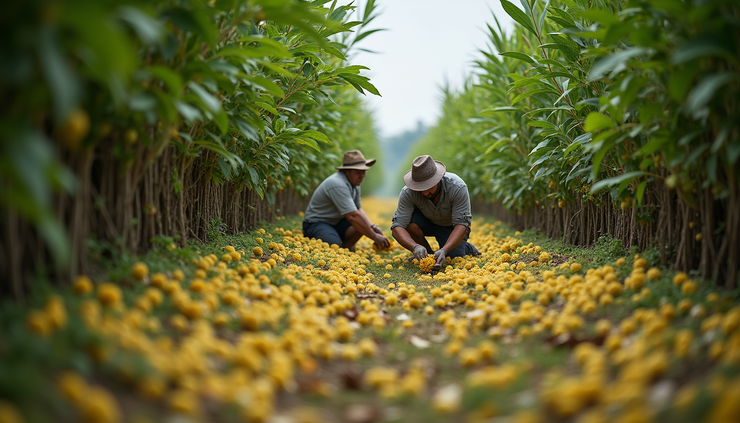
Harvesting is a labor-intensive process. Workers climb the trees or use long poles to gently pick the buds by hand. This careful picking ensures the buds remain intact and undamaged. Harvesting usually takes place during the dry season to avoid moisture that could spoil the buds.
Farmers often harvest cloves in multiple rounds over several weeks, as the buds do not all mature at the same time. This selective picking helps maintain consistent quality.
Drying and Grading Process
Once harvested, the fresh clove buds must be dried quickly to preserve their flavor and prevent mold. The drying process typically takes place under the sun on mats or drying racks. The buds are spread out in thin layers and turned regularly to ensure even drying.
Drying usually takes 4 to 10 days depending on weather conditions. Properly dried cloves turn dark brown and become hard and brittle. This drying step reduces moisture content to about 10%, which is ideal for long-term storage.
After drying, cloves go through a grading process. This involves sorting the buds by size, color, and quality. Higher grades have larger, uniform buds with intact stems and a strong aroma. Lower grades may include broken or discolored buds.
Grading is important because it affects the price and intended use of the cloves. Top-grade cloves are often sold whole for culinary use, while lower grades may be ground into powder for spice blends or medicinal products.

From Tree to Table
The journey of cloves from tropical tree to your spice jar is a story of nature, skill, and tradition. Each step—from careful cultivation to hand-picking, sun drying, and grading—ensures that the cloves retain their rich flavor and aroma.
Next time you sprinkle cloves into your recipe, you can appreciate the effort behind this small but powerful spice. Supporting transparent sourcing and sustainable farming practices helps preserve the livelihoods of farmers and the quality of cloves for future generations.


Comments