


Why Kerala's Climate Produces World-Class Cardamom
- Jul 4
- 4 min read
Kerala, often called the "Spice Garden of India," is famous for producing some of the finest cardamom in the world. This reputation is no accident. The unique combination of altitude, rainfall, and soil in Kerala creates the perfect environment for growing cardamom that stands out in flavor, aroma, and quality. Understanding how these natural factors work together reveals why Kerala remains a global leader in cardamom production.
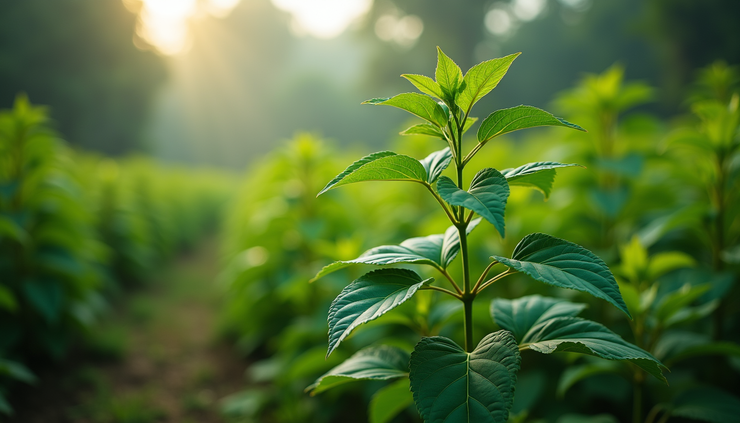
The Role of Altitude in Cardamom Quality
Cardamom plants thrive best at higher altitudes, and Kerala’s Western Ghats provide an ideal elevation range between 600 to 1500 meters above sea level. This altitude influences several key aspects of cardamom growth:
Temperature Regulation
Higher altitudes offer cooler temperatures, which slow down the growth cycle of cardamom. This slower maturation allows the pods to develop richer essential oils, enhancing their aroma and flavor.
Reduced Pest Pressure
Cooler climates at these heights reduce the prevalence of pests and diseases that often affect cardamom crops in warmer, lowland areas. This natural protection reduces the need for chemical interventions, contributing to the purity of the spice.
Optimal Humidity
The altitude maintains a balance of humidity that cardamom plants require. Too dry or too wet conditions can harm the crop, but Kerala’s hills provide a consistent, moderate humidity level.
Farmers in Kerala have long recognized these altitude benefits, choosing slopes and hilltops that maximize these natural advantages.
How Kerala’s Rainfall Supports Cardamom Growth
Kerala receives abundant rainfall, especially during the monsoon season, averaging between 2500 to 3500 mm annually in cardamom-growing regions. This rainfall pattern plays a crucial role in the crop’s success:
Consistent Moisture Supply
Cardamom requires moist soil but cannot tolerate waterlogging. Kerala’s well-distributed rainfall ensures the soil remains damp without becoming saturated, which is essential for healthy root development.
Monsoon Timing
The monsoon rains coincide with the cardamom growing season, providing natural irrigation when the plants need it most. This reduces dependence on artificial watering methods, lowering costs and environmental impact.
Microclimate Creation
The heavy rains combined with the dense forest cover create a microclimate that protects cardamom plants from extreme weather fluctuations. This stable environment helps maintain the delicate balance needed for high-quality spice production.
Farmers often use traditional water management techniques to channel rainwater efficiently, ensuring the plants receive just the right amount.
The Influence of Kerala’s Soil on Cardamom Flavor
The soil in Kerala’s cardamom regions is another critical factor. The Western Ghats feature rich, well-drained lateritic and loamy soils with high organic content. These soil characteristics contribute to the unique taste and aroma of Kerala cardamom:
Rich Organic Matter
The dense forests and natural vegetation contribute to a thick layer of organic matter in the soil. This organic content supplies essential nutrients slowly and steadily, promoting healthy plant growth and pod development.
Good Drainage
Cardamom roots need moisture but are sensitive to standing water. Kerala’s soil drains well, preventing root rot and other water-related diseases.
Mineral Content
The soil contains minerals like iron, magnesium, and potassium, which influence the chemical composition of cardamom pods. These minerals help develop the complex flavors that make Kerala cardamom distinct.
Farmers often enrich the soil with natural compost and mulch, maintaining its fertility and structure without relying heavily on synthetic fertilizers.

Combining Natural Factors with Traditional Farming
Kerala’s climate advantages alone do not guarantee world-class cardamom. The region’s farmers have developed traditional cultivation methods that complement these natural conditions:
Shade Management
Cardamom plants grow best under shade. Farmers maintain a canopy of trees that protects the plants from direct sunlight, preserving moisture and preventing heat stress.
Selective Harvesting
Harvesting cardamom at the right stage of ripeness ensures maximum flavor. Kerala farmers carefully pick pods when they turn bright green but before they fully mature, preserving essential oils.
Sustainable Practices
Many growers use organic farming techniques, avoiding harmful chemicals that could degrade soil quality or alter the spice’s natural profile.
These practices, combined with Kerala’s climate, produce cardamom that commands premium prices in global markets.

Why Kerala Cardamom Stands Out Globally
The synergy of altitude, rainfall, and soil in Kerala creates a unique terroir for cardamom. This terroir imparts:
Intense Aroma
The essential oils responsible for cardamom’s fragrance develop fully in Kerala’s climate.
Rich Flavor
The balance of sweet, spicy, and slightly citrus notes is sharper and more complex than cardamom from other regions.
Consistent Quality
The stable growing conditions and careful farming practices ensure uniformity in size, color, and taste.
These qualities have earned Kerala cardamom a reputation as the "Queen of Spices," sought after by chefs, spice traders, and consumers worldwide.
Final Thoughts on Kerala’s Cardamom Climate
Kerala’s climate is a natural gift that supports the growth of world-class cardamom. The right altitude slows growth and enhances flavor, abundant rainfall provides moisture without flooding, and fertile soil nourishes the plants deeply. When combined with skilled farming traditions, these factors produce cardamom that stands apart in quality and taste.
For anyone interested in spices or agriculture, Kerala’s cardamom offers a clear example of how climate shapes crop excellence. Exploring this connection can inspire better farming practices and appreciation for the natural conditions behind the foods we enjoy.


Comments